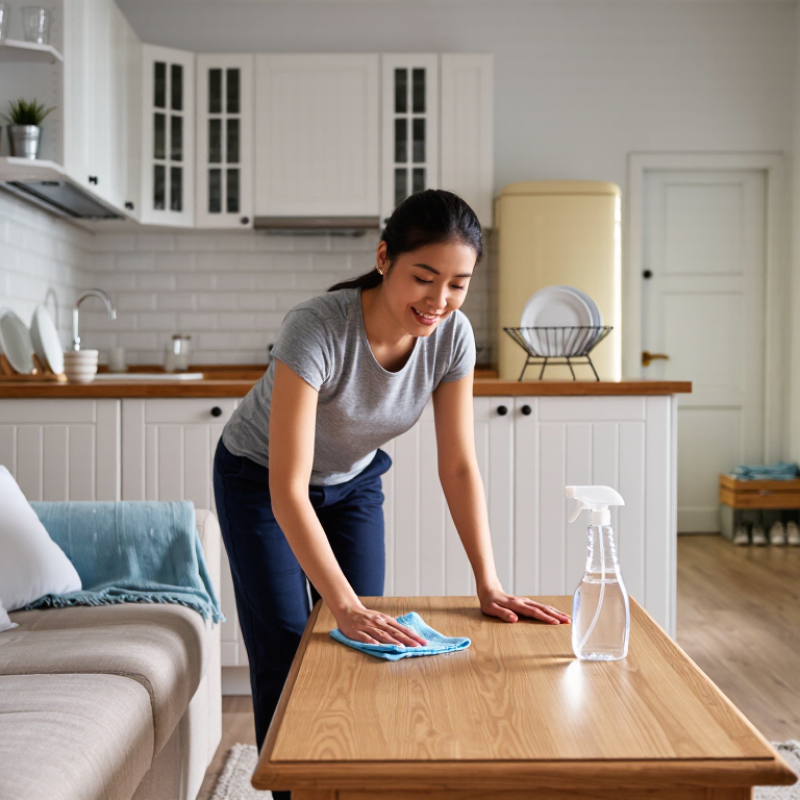
Why Organize Cleaning Routines at Home?

Time:2026-10-07 Author:Sophia
0%

A clean home is not merely a visual achievement. It supports comfort, safety, and daily confidence. The American Cleaning Institute’s 2024 National Cleaning Survey reported that many Americans connect regular cleaning with physical and mental well-being. That connection matters. A wiped kitchen counter, a washed bedsheet, and a clear hallway can reduce small daily stresses.

Time, however, is limited. The U.S. Bureau of Labor Statistics’ American Time Use Survey shows that household activities occupy meaningful portions of people’s days, including cleaning, cooking, and maintenance. Without a realistic plan, cleaning can become repetitive and exhausting. This is why learning how to organize cleaning routines at home can make household care more manageable. A simple weekly schedule may assign bathrooms on Saturday, floors on Sunday, and five-minute surface resets each evening.

Small steps work.

Professional guidance also supports separating cleaning from disinfection. The Centers for Disease Control and Prevention explains that cleaning removes dirt and some germs, while disinfecting targets remaining germs on surfaces. That distinction helps households choose safer, more effective actions instead of using strong products everywhere. Still, routines are not perfect systems. A missed corner, a delayed laundry load, or an unexpectedly busy week can interrupt the plan. That is normal. The better approach is to review the routine, adjust its timing, and focus on high-touch areas first. A practical routine should fit real life, not create another source of pressure.

Why Organize Cleaning Routines at Home?

Define Indoor-Air Risks: EPA Finds Pollutants Often 2–5× Higher Indoors

Why organize cleaning routines?

Indoor air is not automatically cleaner than outdoor air. The EPA reports that pollutant levels indoors can be two to five times higher, and sometimes more. Cooking smoke, fine dust, mold-related particles, and vapors from household products may accumulate in closed rooms. A tidy floor helps, but clean-looking surfaces do not prove clean air. That distinction matters.

A tidy floor helps, but clean-looking surfaces do not prove clean air.

In my home, I noticed stale air after cooking and wiping counters with a scented solution. Opening windows briefly, when outdoor conditions allowed, reduced the heavy feeling. I now vacuum slowly around rugs, wash bedding regularly, and remove damp towels from bathrooms. A damp cloth often traps dust better than dry sweeping. It is a small change. I still forget the bathroom fan.

A practical routine should match the source of pollution. Use ventilation during cooking, control moisture, and follow product directions without mixing substances. Repair leaks quickly, because persistent dampness can support mold growth. People with asthma, allergies, or young children may need extra care, but individual risks differ. Portable air cleaners can help in some rooms, yet they cannot replace source control or fresh-air planning. Keep notes for a week: when odors appear, where dust gathers, and which habits actually help. Maybe cleaning every day is unnecessary; ignoring airflow is the bigger mistake.

Rank Cleaning Priorities Using CDC High-Touch Surface Guidance

A cleaning routine becomes more useful when it reflects risk, not appearance. The CDC identifies frequently touched surfaces as practical priorities because many hands contact them throughout the day. In a typical home, start with doorknobs, light switches, faucet handles, toilet levers, phones, and remote controls. These small points often receive more contact than a dusty shelf. Clean visible dirt with soap or detergent and water.

Disinfection deserves a higher place when someone is sick, visitors have been frequent, or a household member faces greater health risks. After cleaning, use an appropriate disinfectant and follow its label, including the required contact time.

Keep windows open when suitable, protect your skin, and never mix cleaning chemicals. A rushed wipe may look complete, but it may not stay wet long enough to work. That detail is easy to miss.

Organize the routine by frequency and contact: daily for shared handles and bathroom fixtures, several times weekly for phones and switches, and less often for low-touch areas. Use a simple checklist near the entryway, then adjust it after observing real habits.

My routine is not flawless. I sometimes polish a countertop while forgetting the refrigerator handle. That mistake is useful feedback. CDC guidance supports a focused approach: spend effort where hands repeatedly land, while keeping the rest of the home manageable.

Set Task Frequencies with ISSA’s Risk-Based Cleaning Standards

Why Organize Cleaning Routines at Home?

A cleaning routine works better when task frequency matches household risk. High-touch surfaces, such as door handles, taps, and toilet flushes, need frequent attention. Kitchens also deserve close monitoring because moisture and food residue can support microbial growth. Lower-risk areas, like decorative shelves, may need weekly or monthly cleaning instead. This risk-based method avoids wasting time on surfaces that rarely affect health.

In my experience, a simple risk review makes routines more realistic. Consider who uses each space, how often it is touched, and whether spills occur. Homes with young children, older adults, pets, or someone recovering from illness may require tighter schedules. Record observations for one week. You may notice that the hallway needs less attention than the kitchen bin lid. That can be surprising. It also shows where assumptions fail.

Tips: Divide tasks into daily, weekly, and monthly groups. Clean visible soil promptly, then disinfect when risk justifies it. Follow product instructions and allow the stated contact time. Use separate cloths for bathrooms and food-preparation areas. Label them clearly. Review the schedule every month. A routine should change when household habits change. Perfect consistency is unlikely, and that is worth acknowledging. A practical plan is safer than an impressive one that nobody follows.

Prevent Cross-Contamination Using WHO’s 20–30-Second Hand-Rub Standard

Why Organize Cleaning Routines at Home?

A home cleaning routine is not only about appearance. It can reduce the movement of germs between hands, surfaces, towels, and food areas. The World Health Organization recommends 20–30 seconds for alcohol-based hand rubbing. Rub palms, backs of hands, between fingers, thumbs, and fingertips until dry. Do not rush this step.

Small details matter. Clean high-touch surfaces after handling raw food, rubbish, or dirty laundry. Keep one cloth for kitchen counters and another for bathrooms. Wash reusable cloths thoroughly. The WHO Guidelines on Hand Hygiene in Health Care explain that missed areas can leave contamination on fingertips and thumbs. I still sometimes forget my thumbs. That is a useful reminder, not a perfect routine.

The WHO and UNICEF Joint Monitoring Programme reported that about 2 billion people lacked basic hygiene services at home in 2022. Access remains uneven, but household habits can still become more consistent. Place hand-rub near the entrance, kitchen, or laundry area. Use enough product to keep hands wet during the full 20–30 seconds. If hands are visibly dirty or greasy, soap and water are more suitable. A timer may feel excessive. It can also reveal how short “a moment” really is.

Why Organize Cleaning Routines at Home? - Prevent Cross-Contamination Using WHO’s 20–30-Second Hand-Rub Standard

Routine Area Typical Cross-Contamination Risk Recommended Trigger Cleaning or Hand-Hygiene Action Target Time or Frequency Practical Control
Hands after using the toilet Transfer of microorganisms to taps, handles, food, and shared household surfaces. Immediately after toilet use. Wash with soap and running water, covering palms, backs of hands, between fingers, thumbs, fingertips, and wrists. 40–60 seconds for the complete handwashing procedure. Use a clean towel or disposable towel to turn off the tap when appropriate.
Alcohol-based hand-rub moments Moving contaminants between one household task and another when hands are not visibly dirty. Before food preparation, after touching waste, and after cleaning a contaminated area. Apply enough product to cover all hand surfaces and rub palms, backs of hands, fingers, thumbs, fingertips, and wrists. 20–30 seconds, until hands are dry. Do not use hand-rub as a substitute when hands are visibly dirty or greasy.
Food-preparation surfaces Raw-food residues can transfer to ready-to-eat food, utensils, or serving areas. After handling raw meat, poultry, seafood, eggs, or unwashed produce. Remove visible soil first, then clean and disinfect according to the product label. Immediately after each high-risk food task. Use separate utensils or boards where possible and keep ready-to-eat foods away from raw foods.
High-touch household surfaces Frequent hand contact can spread microorganisms among household members. When visibly soiled, after illness in the household, or after frequent shared use. Clean door handles, light switches, faucet handles, toilet handles, and shared-device surfaces; disinfect when indicated. At least daily during illness or heavy use; otherwise as needed. Use a dedicated cloth for high-touch areas and launder reusable cloths after use.
Cleaning tools and cloths A contaminated cloth can spread soil from bathrooms or floors to kitchens and living areas. After each cleaning session or when moving between zones. Separate bathroom, kitchen, and general-purpose tools; wash and dry reusable items thoroughly. After every use; replace disposable items according to their instructions. Clean from lower-risk areas to higher-risk areas, and from cleaner surfaces to dirtier surfaces.
Bathroom surfaces Moisture and frequent contact can support the transfer of microorganisms to hands and nearby objects. When visibly soiled and during regular household cleaning. Clean sinks, toilet seats, flush handles, faucet handles, and surrounding surfaces; disinfect where appropriate. Weekly as a baseline, and more often during illness or heavy use. Keep bathroom cleaning tools separate from kitchen cleaning tools.
Laundry and reusable textiles Used towels, cloths, and bedding may transfer microorganisms through direct contact. After use by a person who is ill or when textiles are visibly soiled. Handle soiled textiles with minimal shaking, wash using the fabric-care instructions, and dry completely. Promptly after soiling; change shared hand towels regularly. Wash hands after handling soiled laundry and clean the hamper when needed.
Cleaning sequence Unplanned movement can carry contaminants from high-risk zones to clean areas. Every cleaning session. Follow a consistent order: declutter, clean high surfaces, clean low surfaces, then finish with floors. Use the same sequence each time. Finish with the dirtiest area and perform hand hygiene before switching tasks.
Reference note: The 20–30-second alcohol-based hand-rub duration and the 40–60-second handwashing duration follow the World Health Organization hand-hygiene procedure guidance. Always follow the instructions on the hand-rub, cleaner, or disinfectant label.

Evaluate Products Through EPA Safer Choice Criteria and Labels

A tidy cleaning routine begins with safer product choices, not a crowded cupboard. I check the EPA Safer Choice label before placing a bottle under the sink. This label indicates that the product and its ingredients meet EPA criteria for human health and environmental safety. EPA also reviews product performance, so safer does not automatically mean ineffective. That distinction matters.

I read the full label near the kitchen window. The bottle should identify its intended use, directions, precautions, and disposal guidance. I also look for the Fragrance-Free Safer Choice label when someone is sensitive to scented products. “Natural” is not enough evidence. A plant-based ingredient can still irritate skin or affect indoor air quality. The EPA criteria provide a stronger reference than vague packaging language.

My routine is simple. I use one approved cleaner for counters, another for bathroom surfaces, and separate cloths by area. Labels reduce guesswork. They also prevent careless mixing. I have occasionally reached for a familiar bottle without checking its current directions. That habit needs correction. A Safer Choice label supports informed decisions, but it does not remove every risk. Ventilation, gloves when required, correct dilution, and secure storage still matter. I keep products in their original containers, away from food and children. The system is not perfect, yet a small label check can make weekly cleaning more deliberate.

Why Organize Cleaning Routines at Home?

Organizing cleaning routines makes it easier to review products against the EPA Safer Choice approach before using them at home.

The chart shows the major evaluation areas represented as a checklist. A value of 1 means the area is part of the review framework; it is not a product score, market share, or brand comparison. EPA Safer Choice reviews ingredient safety, product performance, environmental considerations, packaging, and other applicable product requirements.

Source: U.S. EPA Safer Choice

FAQS

Can indoor air be more polluted than outdoor air?

Yes. Indoor pollutant levels may be two to five times higher, and sometimes more. Cooking smoke, fine dust, dampness, and product vapors can collect indoors. Clean surfaces do not guarantee clean air.

What helps reduce stale air after cooking?

Use ventilation during cooking, when outdoor conditions allow. Open windows briefly and use the kitchen fan. I still forget the bathroom fan. Airflow deserves more attention.

How can I reduce dust without spreading it?

Vacuum rugs slowly and clean with a damp cloth. Damp fabric often traps dust better than dry sweeping. Check corners, rugs, and areas beneath furniture. Small change.

How should moisture be controlled at home?

Remove damp towels from bathrooms and repair leaks quickly. Persistent dampness can support mold growth. Keep wet materials from sitting overnight. I sometimes notice moisture late.

Can a portable air cleaner solve indoor-air problems?

It may help in one room. However, it cannot replace source control, ventilation, or moisture management. Reduce pollution where it begins. The device is not magic.

How long should hand rubbing take?

Rub alcohol-based hand product for 20–30 seconds. Cover palms, hand backs, fingers, thumbs, and fingertips. Keep rubbing until hands are dry. Do not rush.

When should soap and water be used instead?

Use soap and water when hands look visibly dirty or greasy. Hand rub may not remove heavy residue effectively. Wash after handling raw food, rubbish, or dirty laundry.

How can cleaning prevent contamination between rooms?

Use separate cloths for kitchen counters and bathrooms. Wash reusable cloths thoroughly after use. Clean high-touch surfaces regularly. I still miss small areas. That matters.

How can I build a realistic cleaning routine?

Keep notes for one week. Record odors, dust locations, damp spots, and helpful habits. Adjust the routine to actual pollution sources. Daily cleaning may be unnecessary. Ignoring airflow may be worse.

Conclusion

Learning how to organize cleaning routines at home begins with understanding that indoor air may contain pollutant levels two to five times higher than outdoor air. A practical routine should therefore start with ventilation and the removal of dust, allergens, moisture, and other common indoor contaminants. Next, prioritize frequently touched surfaces such as doorknobs, light switches, faucets, remote controls, and shared electronic devices. These areas usually require more regular attention than low-contact spaces.

Cleaning frequency should be based on household risks, traffic, pets, allergies, and illness rather than following one rigid schedule. Daily attention may be appropriate for kitchens and high-touch areas, while weekly cleaning can address floors, bathrooms, and dust-prone surfaces. To reduce cross-contamination, wash or sanitize hands for 20–30 seconds, use separate tools for different areas, and clean from less dirty surfaces to more soiled ones. Finally, select products by checking safety information, clear usage instructions, ingredient transparency, and labels indicating reduced health or environmental concerns.

Sophia

Sophia

Sophia is a dedicated marketing professional with an exceptional depth of knowledge about her company's products and services. With a keen understanding of market trends and customer needs, she crafts insightful blog posts that not only inform but also engage readers, enriching the company’s online......