A clean home is not created by expensive products or exhausting weekend scrubbing. It comes from small, repeatable decisions that protect both comfort and health. This guide, “10 Tips on How to Maintain a Clean and Healthy Home,” focuses on practical habits for kitchens, bathrooms, bedrooms, and shared spaces.
Microbiologist Dr. Charles Gerba has warned, “The kitchen sponge is the germiest item in the home.” That reminder makes the advice concrete: replace or sanitize sponges regularly, wipe food-preparation surfaces, and wash hands before handling meals. His research-based perspective shows why visible cleanliness is only part of household hygiene. Dust, moisture, and overlooked touchpoints can also affect indoor wellbeing.
Consistency matters more than perfection. Keep a small cleaning kit near busy areas, open windows when appropriate, and wash bedding on a dependable schedule. Clean high-touch surfaces, such as door handles and light switches, especially during illness. Do not mix cleaning chemicals. Follow product labels carefully.
Small actions help.
Still, every home has difficult corners. A rushed day may leave dishes overnight, or dust may return within hours. That does not mean the routine failed. It means the routine needs adjustment. Use a simple weekly checklist, notice recurring problems, and choose safer methods that fit your household. Learning how to maintain a clean and healthy home is an ongoing process, supported by evidence, observation, and honest reflection.
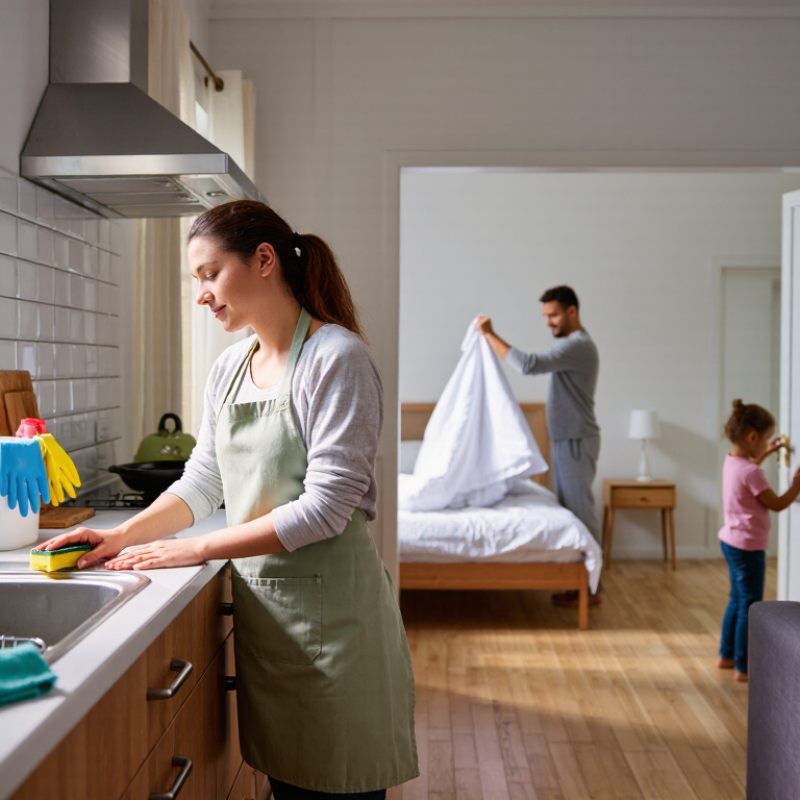
A clean home supports health by reducing the irritants people breathe, touch, and carry through daily life. The U.S. Environmental Protection Agency reports that indoor pollutant levels can be two to five times higher than outdoor levels, and sometimes much higher. Cooking fumes, dust, cleaning residues, and poor ventilation can build up around windows, carpets, and soft furniture. Air matters. The World Health Organization’s Guidelines for Indoor Air Quality: Dampness and Mould links persistent dampness and indoor mould with respiratory symptoms, allergies, and asthma-related problems. Visible mould is a warning, not merely an appearance issue.
A practical routine should focus on health-sensitive areas rather than chasing perfect shine. Open windows during and after cooking, when outdoor conditions allow. Wipe high-touch handles, taps, and switches with a suitable cleaner. Wash bedding regularly, and vacuum slowly along mattress edges and floor corners. Keep humidity moderate, and dry wet towels promptly. I still miss the underside of furniture sometimes. That is a useful reminder: cleaning plans need honest review. The Centers for Disease Control and Prevention advises cleaning frequently touched surfaces and following product instructions carefully. People with asthma, allergies, older adults, and young children may need extra attention to dust and dampness. Persistent leaks or mould should be assessed by a qualified professional, because surface wiping may not remove the underlying moisture source.
10 Tips on How to Maintain a Clean and Healthy Home?
Creating a Practical Daily Cleaning and Decluttering Routine
A healthy home depends on repeatable habits, not occasional cleaning marathons. Open windows briefly when outdoor conditions allow. Make the bed, then return loose items to their usual places. Wipe kitchen counters after preparing food. Wash dishes before they become a second job. Keep a small basket near the stairs for misplaced objects. That simple basket saves time.
Dust high-touch surfaces, including door handles and light switches. Sweep crumbs from eating areas each evening. Empty food waste regularly to reduce odors and pests. Check bathroom moisture after showers, and dry wet corners with a cloth. Never mix cleaning chemicals. Follow product instructions and wear suitable protection when needed. Public-health guidance also supports regular handwashing and prompt cleaning of visible dirt.
Give each room a five-minute reset before sleep. Keep only useful items in busy spaces. Donate or recycle things that have not served you for months, according to local rules. I still miss a corner sometimes. That is normal. A routine should recover easily after a difficult day. Once a week, inspect hidden areas, wash reusable cloths, and clean dust from vents. Do not ignore damaged surfaces or persistent dampness; professional advice may be necessary. Track what actually gets done, then simplify the routine when it feels too demanding. A clean home should support daily life, not control it.
High-touch surfaces deserve daily attention, especially when several people share a home. Door handles, light switches, faucet handles, remote controls, and phone screens collect oils and germs quickly. I wipe them with a clean, slightly damp cloth, then use a suitable disinfectant when needed. The surface must stay wet for the stated contact time. Do not mix cleaning products. Fresh air helps reduce strong fumes.
Kitchens and bathrooms need careful routines because moisture supports microbial growth. I clean food preparation areas after use, including counter edges and cabinet pulls. In the bathroom, I wash the sink, toilet handle, shower controls, and floor near the toilet. Cloths should be washed and fully dried after cleaning. A damp cloth left in a bucket can become part of the problem.
Small habits help. I wash my hands before and after cleaning, and I avoid touching my face while handling dirty cloths.
I once cleaned a light switch, then immediately touched the same switch with unwashed hands. That mistake reminded me that technique matters as much as frequency.
When someone is ill, clean shared surfaces more often and avoid shaking dusty fabrics. Wear gloves if the product label recommends them, keep chemicals away from children, and follow the label exactly. Even careful routines need review.
10 Tips on How to Maintain a Clean and Healthy Home?
Managing Indoor Air Quality, Moisture, Waste, and Household Pests
A healthy home begins with air, moisture, and consistent small habits. Keep indoor humidity between 30% and 50%, as recommended by the U.S. Environmental Protection Agency (EPA). Use exhaust fans during showers and cooking. Open windows when outdoor conditions are safe. EPA reports that indoor pollutant levels can be two to five times higher than outdoor levels, and sometimes much higher. Wipe dust with a damp cloth around vents, window sills, and sleeping areas. Vacuum slowly. Clean or replace filters according to equipment instructions. I still forget sometimes.
Moisture needs quick attention. Repair leaking pipes, dry wet materials within 24 to 48 hours, and inspect the space beneath sinks. Store food in sealed containers, remove crumbs, and keep waste bins covered. Take food waste out regularly, especially during warm weather. The World Bank’s What a Waste 3.0 report estimates that global municipal waste reached 2.24 billion tonnes in 2020. It could reach 3.88 billion tonnes by 2050. Separate recyclable materials where local systems accept them. Remove standing water from plant trays and outdoor containers. Install window screens and seal small wall gaps. Physical traps can help monitor pests without spreading residue.
Keep a simple household checklist. Record leaks, unusual odors, and pest sightings. A basic humidity meter can reveal problems before mold appears. If dampness returns, pests persist, or breathing symptoms develop, consult a qualified professional. Clean homes are not perfect homes. They are observed, adjusted, and maintained.
Key indoor-environment targets for managing air quality, moisture, waste, and household pests.
Aim to keep indoor relative humidity between 30% and 50%, keep 24-hour average PM2.5 below 15 μg/m³, remove household waste regularly, and prevent pests by sealing food and eliminating water sources. The air-quality and humidity values are based on widely used public-health guidance from the World Health Organization and the U.S. Environmental Protection Agency.
Choosing Safe Products and Maintaining Long-Term Home Hygiene
A healthy home needs steady habits, not a spotless appearance. The U.S. Environmental Protection Agency reports that indoor pollutant levels can be two to five times higher than outdoor levels.
Tip 1: Open windows during cleaning, when outdoor conditions allow.
Tip 2: Choose products with clear ingredient lists and safety directions.
Tip 3: Avoid mixing cleaners, especially products containing bleach and acids.
I have made the mistake of using too much spray. More product did not mean better cleaning.
Tip 4: Clean high-touch areas, such as door handles, taps, and remote controls.
Tip 5: Wash hands with soap for at least 20 seconds.
The CDC links proper handwashing with a 21% reduction in respiratory illnesses.
Tip 6: Use separate cloths for kitchens and bathrooms. Wash reusable cloths thoroughly, then dry them completely. Damp fabric can develop an unpleasant smell quickly.
Tip 7: Follow the contact time printed on disinfectant labels.
Tip 8: Store cleaning products away from children and food.
Tip 9: Vacuum slowly around rugs, sofas, and mattress edges.
Tip 10: Check for leaks beneath sinks and behind appliances each month.
The World Health Organization reported that household air pollution caused approximately 3.2 million deaths in 2020.
Ventilation matters.
Still, my routine is not perfect; I sometimes forget hidden surfaces. A monthly checklist helps reveal those neglected corners and keeps hygiene practical over time.
Regular cleaning reduces dust, cooking fumes, residues, and germs people breathe or touch. Indoor pollutants may be two to five times higher than outdoors. Air matters.
Focus on door handles, light switches, taps, remote controls, and phone screens. These surfaces collect oils and germs quickly. Wipe them with a clean, slightly damp cloth.
Clean food preparation areas after use, including counter edges and cabinet pulls. Wash sinks, toilet handles, shower controls, and nearby floors. Moisture encourages unwanted growth.
Follow the product label and respect its stated contact time. Never mix cleaners. Open windows when outdoor conditions allow, and keep products away from children and food.
Vacuum slowly around rugs, sofas, floor corners, and mattress edges. Wash bedding regularly. I still miss hidden areas sometimes. A monthly checklist helps.
Persistent dampness and mould may worsen respiratory symptoms, allergies, or asthma-related problems. Check beneath sinks and behind appliances for leaks. Surface wiping may not fix the moisture source.
Use separate cloths for kitchens and bathrooms. Wash them thoroughly and dry them completely. Wash hands before and after cleaning, for at least 20 seconds.
Clean shared surfaces more often, especially handles, switches, taps, and remote controls. Avoid shaking dusty fabrics. The routine need not be perfect, but it should be reviewed.
Learning how to maintain a clean and healthy home begins with understanding that cleanliness directly affects physical comfort, mental well-being, and everyday safety. A simple daily routine can prevent clutter from building up: make beds, wash dishes, wipe spills, organize commonly used items, and set aside time for regular decluttering. Give extra attention to high-touch surfaces and frequently used rooms, cleaning them safely and consistently to reduce the spread of germs.
A healthy home also depends on good indoor air quality and moisture control. Ventilate rooms when possible, address leaks promptly, remove household waste regularly, and keep food stored properly to discourage pests. Choose cleaning products carefully, follow usage instructions, avoid mixing chemicals, and store supplies safely. By combining practical cleaning habits, responsible product use, and ongoing maintenance, households can create a fresher, safer, and more comfortable living environment over the long term.

Petalyx Irrigation