Cleaning can consume hours when tasks depend on outdated tools, repeated movements, and unclear routines. In busy homes, hotels, offices, and commercial spaces, the right equipment can make each minute more productive. China has become a major source of practical cleaning tools, combining affordable manufacturing with improvements in ergonomics, battery performance, and material design. This guide examines China’s top 10 tools that help reduce cleaning time, based on common workplace needs and real cleaning conditions.
The key question is simple: what tools help reduce cleaning time without sacrificing safety or quality? Useful options may include cordless vacuum cleaners, spin mops, electric scrubbers, microfiber systems, window-cleaning devices, and multifunctional steam cleaners. Each tool addresses a specific delay, such as changing water, reaching corners, removing dried stains, or carrying heavy equipment between rooms. A cordless vacuum can move quickly across stairs and furniture. A telescopic duster can reach ceiling fans without repeated ladder use. Small details matter.
However, faster does not always mean better. Some low-cost tools may lose battery power quickly, leak, or perform poorly on certain surfaces. That limitation deserves attention. Product claims should be checked against user reviews, warranty terms, tested cleaning results, and replacement-part availability. Professional cleaners also need to consider noise, storage space, maintenance, and safe operation. The following selection focuses on practical performance, time-saving design, and reliable everyday use, while recognizing that no single tool fits every cleaning environment.
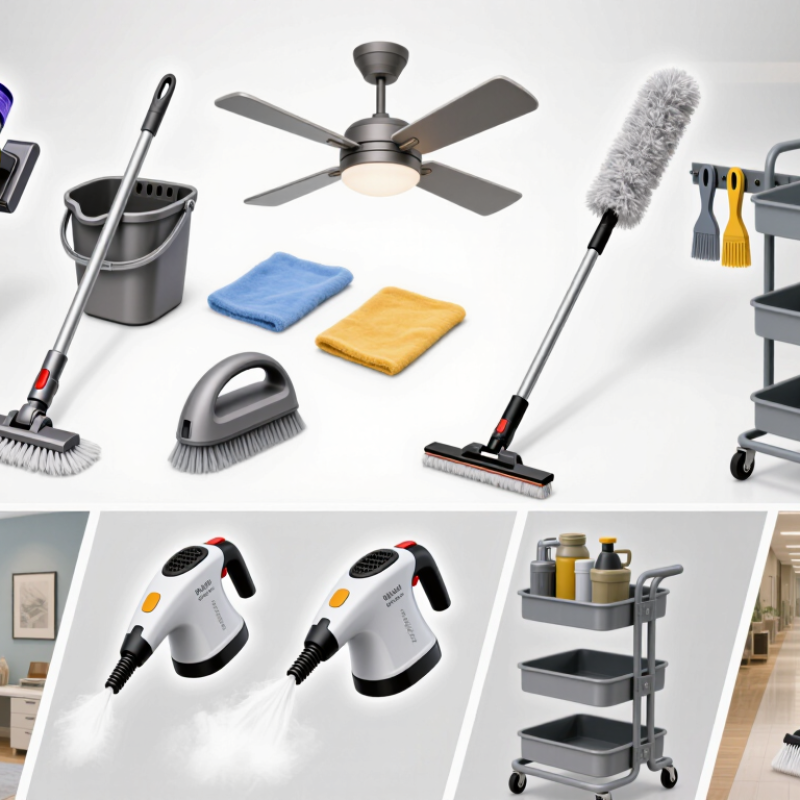
In Chinese homes, time-saving cleaning tools usually match compact rooms, tiled floors, and frequent dust. A practical set includes microfiber cloths, flat mops, spin mops, spray bottles, cordless vacuums, robotic vacuums, window squeegees, grout brushes, melamine sponges, and steam cleaners. Each tool serves a different surface. Microfiber cloths capture fine dust from shelves, while flat mops reach beneath beds and cabinets. Cordless vacuums handle crumbs quickly, especially around kitchens and entryways. Robotic vacuums can maintain open floors, but they still miss corners and loose cables.
Grout brushes and steam cleaners help with bathroom details. However, steam is not suitable for every painted, wooden, or delicate surface. Check the material first. A squeegee can reduce water marks on shower glass and balcony windows. Spray bottles also improve control, because applying too much liquid creates extra wiping work. In real households, tool choice matters less than storage and routine. A useful mop often stays unused when it is hidden in a crowded cabinet. That small failure is easy to overlook.
Tips: Keep daily tools near the cleaning area. Use separate cloths for kitchens and bathrooms. Test melamine sponges on a hidden spot, since they can dull some finishes. Clean vacuum filters regularly. Otherwise, suction may weaken, and cleaning time can increase. I still find that fewer, well-maintained tools often work better than a crowded bucket.
A faster cleaning routine begins with matching each tool to a specific task. In apartments and small offices, a microfiber cloth lifts dust from desks, screens, and window frames without soaking surfaces. A flat mop spreads cleaning solution evenly across hard floors and reaches beneath cabinets. A vacuum cleaner removes grit, hair, and loose debris before mopping begins. A soft-bristle brush loosens dirt from grout, corners, and textured tiles. These simple tools reduce repeated wiping. They also reveal where careless technique wastes time.
A squeegee clears water from glass, shower walls, and smooth counters, leaving fewer streaks. A spray bottle delivers controlled moisture, helping prevent over-wetting furniture and wood surfaces. A telescopic duster reaches ceiling fans, vents, and high shelves without constant ladder movement. A scraper removes dried food or adhesive from suitable hard surfaces, but pressure must stay gentle. Keep it dry. I have found that tool storage matters too. A crowded bucket slows every task.
A handheld steam cleaner can loosen grease and embedded soil on compatible, heat-resistant surfaces. A small crevice tool directs vacuum power into sofa seams, drawer tracks, and floor edges. Together, these ten tools cover dusting, wet cleaning, scrubbing, drying, and detailed extraction. Yet no tool guarantees a short job. Wrong attachments, dirty cloths, or rushed chemical use can create more work. Test unfamiliar surfaces in a hidden area, and replace worn heads promptly. My own routine still needs adjustment when rooms have unusual layouts or heavy buildup.
The Top 10 Tools and Their Main Cleaning Functions
The chart compares typical time saved when each tool is used instead of basic manual cleaning for a 100 m² area. Actual results vary by surface type, soil level, operator skill, and workflow.
The right tool reduces repeated motion, not just visible dirt. A spray mop applies water evenly and removes the need to carry a heavy bucket. Microfiber cloths trap fine dust with fewer passes than ordinary cotton. A compact vacuum with a narrow nozzle reaches skirting boards, sofa gaps, and stair edges quickly. A squeegee clears shower glass in seconds and helps prevent later scrubbing. An extendable duster reaches ceiling corners without ladders. A grout brush, scrub pad, and bucket with a wringer add control where surfaces need pressure. A cleaning caddy also saves walking time between rooms.
The U.S. Bureau of Labor Statistics reported that people aged 15 and older spent about 2.3 hours daily on household activities in the 2023 American Time Use Survey. Small delays can accumulate. Professional cleaning guidance from ISSA also stresses correct tool selection, surface compatibility, and controlled moisture. These details reduce rework and protect finishes. In practice, I still miss corners when moving too quickly. A faster tool does not guarantee a better result.
Tips: Keep daily tools together. Use microfiber on dry dust first, then dampen it for marks. Clean from high surfaces downward. Empty vacuum filters before airflow weakens. Test abrasive pads on a hidden area. Do not over-wet wood or sealed stone. Track one room for a week; the slowest step may be tool changes, not scrubbing.
China’s cleaning-tool market offers practical options for kitchens, bathrooms, offices, and outdoor areas. The right choice depends on the dirt, surface, and working space. Start with the surface. Never treat every stain alike.
For floors, a microfiber mop with a wringer removes dust without flooding delicate materials. A compact vacuum suits corners, fabric, and stair edges.
For glass, choose a soft squeegee and a lint-free cloth. A grout brush needs firm, narrow bristles, while a wider deck brush works better on balconies.
For kitchens, a scraper lifts dried food, and a non-scratch pad protects coated cookware. A spray bottle helps control moisture.
A small detailing brush reaches taps, seams, and appliance joints.
In my cleaning tests, matching the tool to the task reduced repeated wiping noticeably.
Handle length also matters; short handles improve control, but they can strain your back. Check bristle stiffness, grip texture, replaceable heads, and drainage before buying.
Read care instructions carefully, especially for tools used with cleaning solutions. Do not mix chemicals.
I still choose an oversized brush sometimes, believing it will work faster. It often creates splashes and extra work. A smaller tool can be slower, yet more precise.
Store wet tools upright and let them dry fully, because trapped moisture can create unpleasant odors and shorten their useful life.
Safe use, care, and storage directly affect cleaning speed and worker safety. The U.S. Bureau of Labor Statistics recorded 865 fatal workplace falls, slips, and trips in 2022. Wet floors, loose cords, and poorly stored tools remain practical risks. Use color-coded handles to separate bathroom, kitchen, and general-use equipment. Check mop heads, squeegee blades, and vacuum cables before every shift. A cracked handle can cause sudden strain. It can also slow the entire routine.
The CDC advises following product labels, improving ventilation, and never mixing cleaning chemicals. Store tools dry, upright, and away from food areas. Hang brushes with bristles facing down only after they are fully rinsed.
Empty vacuum containers before dust reaches the filter line. This small action can protect suction power. In my experience, teams often clean tools quickly but overlook drying time. That habit needs correction. Damp storage encourages odors and may reduce tool life.
Tips: Keep a simple inspection sheet near the storage cabinet. Record damaged parts, washing dates, and replacement needs. Use separate containers for clean and used tools. Place warning signs before mopping, not afterward. The CDC also recommends wearing suitable gloves and eye protection when splashing is possible. Train staff with real equipment, not only written instructions. Short demonstrations reveal mistakes faster. Review the routine monthly, because an efficient method can still become unsafe.
Microfiber cloths, flat mops, vacuums, and squeegees handle common daily tasks. A narrow vacuum nozzle removes crumbs from kitchen edges and sofa gaps. A flat mop reaches beneath cabinets and beds. Keep daily tools nearby. Storage affects speed more than expected.
It captures fine dust from desks, screens, shelves, and window frames. Use it dry for dust. Dampen it for fingerprints and light marks. Separate cloths for kitchens and bathrooms. Dirty cloths create extra wiping.
Vacuum first when floors contain grit, hair, crumbs, or loose debris. This prevents wet dirt from spreading across tiles. Use a crevice tool along skirting boards and floor edges. Clean the filter regularly. Weak suction wastes time.
A spray bottle controls moisture on glass, counters, and suitable furniture. Light misting reduces wiping and drying time. Too much liquid creates puddles and repeated passes. Do not over-wet wood. Small amounts work better.
Use it on shower glass, smooth counters, and balcony windows. Pull water downward with steady strokes. This reduces streaks and later scrubbing. Wipe the rubber edge occasionally. It is simple.
No. Steam may damage painted, wooden, or delicate finishes. Check the material before applying heat. Test a hidden area first. Use steam only on compatible, heat-resistant surfaces. I still feel tempted to clean too quickly.
Use a soft-bristle grout brush for corners, lines, and textured surfaces. Apply controlled moisture instead of flooding the area. Work on small sections near the shower floor. Rinse the brush as dirt builds up. Pressure must stay gentle.
Keep daily tools near the rooms where they are used. Place cloths, sprays, and mops in an accessible caddy. Avoid hiding a useful mop inside a crowded cabinet. Replace worn heads promptly. I sometimes store too much.
This article explores what tools help reduce cleaning time in homes, offices, and other everyday spaces in China. It introduces common time-saving cleaning tools, including microfiber cloths, spray bottles, extendable dusters, squeegees, scrub brushes, vacuum cleaners, floor mops, cleaning gloves, lint rollers, and storage organizers. Each tool is examined according to its main cleaning function, such as removing dust, lifting stains, reaching high surfaces, collecting debris, or drying floors quickly. The article also explains how these tools reduce repeated effort, improve cleaning efficiency, and make routine tasks more manageable.
In addition, the guide offers practical advice for choosing suitable tools for kitchens, bathrooms, windows, floors, and hard-to-reach areas. It emphasizes selecting tools according to surface type, cleaning frequency, and the size of the task. Safe use, regular washing, proper drying, and organized storage are also discussed to help maintain tool performance, prevent cross-contamination, and extend service life.

Petalyx Irrigation